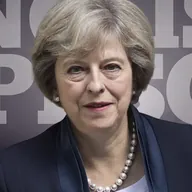
When I stood in Downing Street as prime minister for the first time this summer, I set out my mission to build a country that works for everyone. Today, I want to talk a little more about what that means and lay out my vision for a truly meritocratic Britain that puts the interests of ordinary working class people first. We're facing a moment of great change as a nation.
As we leave the European Union, we must define an ambitious new role for ourselves in the world. That involves asking ourselves what kind of country we want to be. A confident, global trading nation that continues to play its full part on the world stage.
But at the same time, I believe we have a precious opportunity to step back and ask some searching questions about what kind of country we want to be here at home too.
In fact, it's not just an opportunity, but a duty because one thing is clear: when the British people voted in the referendum, they did not just choose to leave the European Union, they were also expressing a far more, far more profound sense of frustration about aspects of life in Britain and the way in which politics and politicians have failed to respond to their concerns.
Some voted for the first time in more than 30 years, some for the first time ever, and they were inspired to do so because they saw a chance to reject the politics of business as usual and to demand real profound change.
Fed up with being ignored or told that their priorities were somehow invalid based on ignorance and misunderstanding or even on occasion they were simply wrong to voice the concerns that they did, they took their opportunity to send a very clear message. They will not be ignored anymore. They want to take back control of the things that matter in their lives.
They want a government that listens, understands, and is on their side. They want change, and this government is going to deliver it. Everything we do will be driven not by the interests of the privileged few, not by those with the loudest voices, the special interests, the greatest wealth, or the access to influence.
This government's priorities are those of ordinary working class people for whom life sometimes can be a struggle but who get on with things without complaint. They get on with their jobs, sometimes two or even three of them, because they have families to feed and support, bills to pay, and because to work for a fair reward is the right thing to do.
They get on with their lives quietly, going about their business, going out to work, raising families, helping neighbors, making their communities what they are. They don't ask for much, but they want to know that the people that make the big decisions are on their side working for them. They want to believe that everyone plays by the same rules and things are fair.
And above all, they want to believe that if they uphold their end of the deal, they do the right thing, they work hard, they pay their taxes, then tomorrow will be better than today and their children will have a fair chance in life, the chance to go as far as their talents will take them. These are not outrageous demands or ridiculous desires, but for too many of these people today, life does not seem fair.